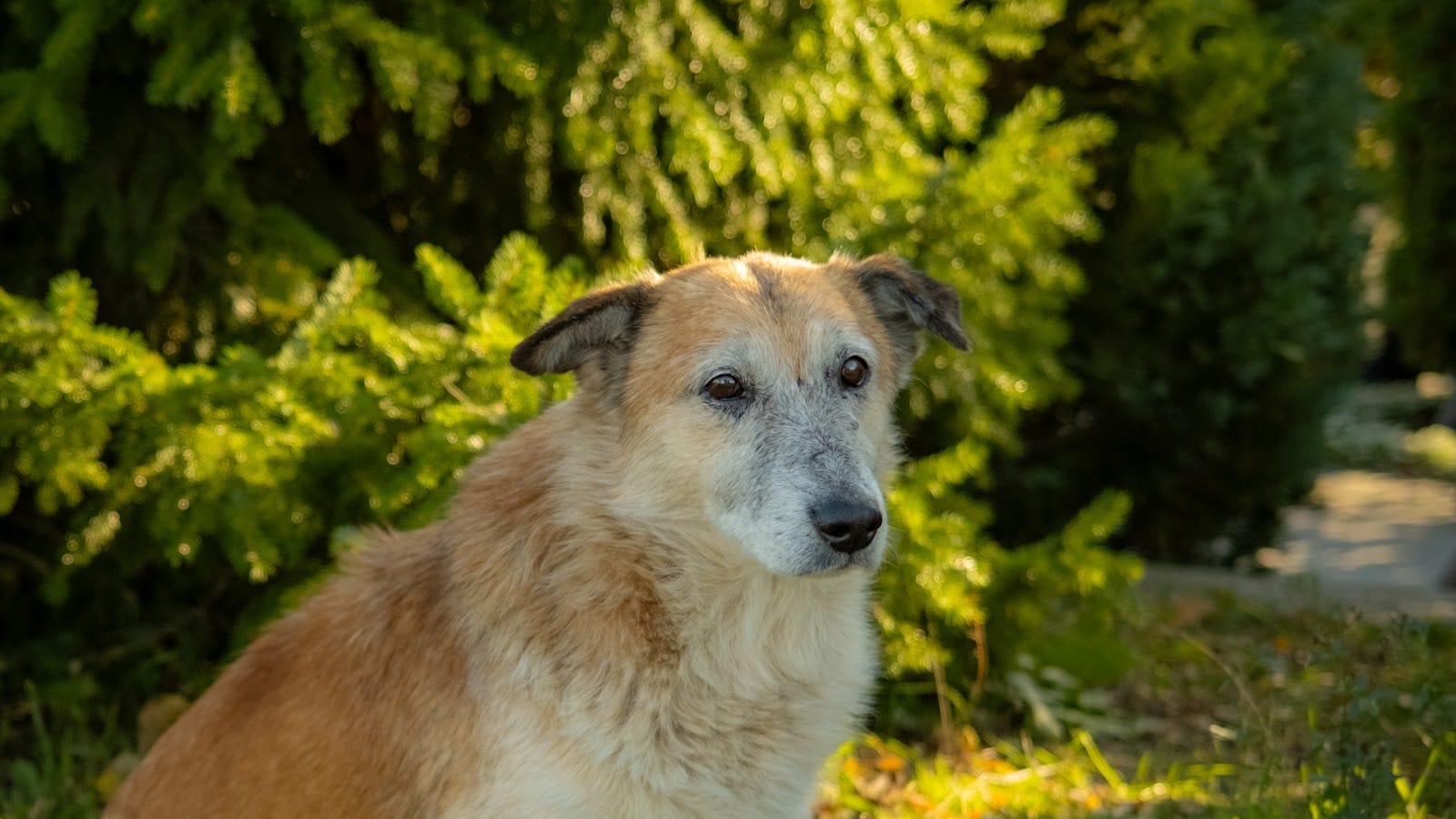
Arthritis is the most common cause of chronic pain in dogs, affecting an estimated one in five adult dogs in the UK and the majority of dogs over the age of eight. Here is the reassuring part that owners often do not hear: while it cannot be cured, it can be managed so effectively that most arthritic dogs stay comfortable, mobile and happy for years.
The key is that good arthritis management is not one thing. It is several things working together, each doing part of the job. This guide covers the whole picture, so you can build a plan with your vet rather than pinning your hopes on a single fix.
The short version
- Arthritis is managed, not cured. The goal is comfort, mobility and slowing progression.
- No single measure does the job. The best results come from combining several.
- The five pillars: weight, exercise, the home environment, pain relief, and joint support.
- Weight is the highest-impact thing you control. A lean dog hurts less, full stop.
- Work with your vet. Arthritis is a long game, and a good plan is reviewed and adjusted over time.
What arthritis actually is
Osteoarthritis is not simply cartilage wearing away. It is an ongoing, low-grade inflammatory process in the joint. The smooth cartilage that cushions the bone ends breaks down, the fluid that lubricates the joint changes, new bone can form around the edges, and the whole joint becomes stiffer and more painful over time.
Because it is a cycle rather than a one-off injury, it tends to progress if left alone, and because inflammation is central to it, managing that inflammation is a big part of managing the disease. Understanding this is useful, because it explains why the management approach is broad: you are trying to reduce load on the joint, calm the inflammation, support what cartilage remains, and keep the surrounding muscle strong, all at once.
If you are still at the stage of working out whether your dog has arthritis, start with our guide on the early signs of arthritis in dogs. This guide assumes you are past that point and want to manage it.
The five pillars of managing arthritis
1. Weight: the highest-impact thing you control
If you do one thing, do this. Every extra kilogram a dog carries increases the load on already-compromised joints and adds to the inflammatory burden, because fat tissue is not inert; it actively produces inflammatory signals. An overweight arthritic dog is fighting the disease with one hand tied behind its back.
The evidence here is striking. Studies have shown that simply getting an overweight arthritic dog down to a lean body condition can reduce lameness measurably, sometimes enough to lower the amount of medication needed. A landmark long-term study found lean dogs lived around two years longer than their overweight littermates and developed arthritis later.
Aim for a body condition where you can feel the ribs easily, see a waist from above, and see a tuck-up of the belly from the side. Your vet nurse can score your dog and set a safe, gradual weight-loss plan, and most UK practices run these clinics free. Our guide on senior dog diet covers the feeding side.
2. Exercise: the right kind, consistently
The old advice to rest an arthritic dog has been overturned. Movement nourishes cartilage and, crucially, builds the muscle that supports and protects the joint. A dog that stops exercising loses muscle quickly, and less muscle means more load through the joint.
The aim is little and often, on soft ground, avoiding the high-impact bursts that aggravate joints. Two or three shorter walks beat one long march. Gentle warm-ups matter, slippery floors and steep stairs do not help, and sudden sprints or twisting ball games are best avoided. Our guides on walking an older dog and helping an older dog with stairs go into the practical detail.
3. The home environment
Small changes to the home reduce the daily wear and the risk of a fall that sets everything back:
- Non-slip runners or rugs over hard floors, so the dog is not scrabbling for grip.
- A supportive, warm, easy-to-get-into bed, ideally away from draughts.
- Ramps for the car and, if allowed, the sofa, to avoid repeated jumping.
- Raised food and water bowls for dogs with neck or elbow involvement.
- Keeping the dog warm and dry, as cold and damp stiffen arthritic joints.
These are cheap, one-off changes that pay back every single day.
4. Pain relief
When arthritis is causing pain, medication is not a failure or a last resort; it is often the single kindest and most effective intervention. Under-treated pain is worse for a dog than carefully managed medication.
The mainstay is a class of prescription anti-inflammatories (NSAIDs) designed for dogs, which are very effective and, with the routine blood-work monitoring your vet will arrange, well tolerated by most dogs. Newer options have also arrived in UK practice, including injectable treatments that work differently from traditional tablets, along with various adjunct medications for more advanced cases. This is firmly your vet's territory, and the right choice depends on your individual dog. The important message is not to be afraid of appropriate pain relief when it is indicated.
Never use human painkillers such as ibuprofen or paracetamol, which can be toxic to dogs.
5. Joint support and nutrition
Joint supplements sit alongside the pillars above, not instead of them. The best-evidenced products are multi-pathway formulations that combine structural ingredients (glucosamine, chondroitin), anti-inflammatory ingredients (omega-3, green-lipped mussel, turmeric, Boswellia) and joint-tissue support ingredients (MSM, hyaluronic acid, type II collagen). Tailkind's Joint Care Mobility Chews are built around this approach, and our review of UK joint supplements compares the options honestly. Give any supplement at least eight weeks before judging it.
Diet plays a supporting role too. A high-quality diet with good omega-3 content, fed to maintain a lean weight, supports the whole plan.
Physical therapies worth knowing about
Beyond the five pillars, two physical therapies have a genuine evidence base and are increasingly available in the UK.
Hydrotherapy uses water to support the dog's weight while it exercises, building muscle without loading the joints. It suits many arthritic dogs well.
Canine physiotherapy provides targeted exercises, manual therapy and advice tailored to your dog. Look for a practitioner registered with a recognised UK body, and get a veterinary referral.
Putting it together
The dogs that do best are not the ones on the single most expensive supplement or the strongest drug. They are the ones whose owners quietly do several things consistently: keep them lean, walk them sensibly every day, make the home safe, use the pain relief the vet recommends, and support the joints with a decent supplement. None of it is dramatic. All of it adds up.
Arthritis is a long game. Expect to review the plan with your vet over time, stepping things up as needed and adjusting as your dog ages. Kept up steadily, this approach keeps the great majority of arthritic dogs comfortable and active for years.
When to see your vet
Book a review if your dog's mobility is getting noticeably worse, if pain seems to break through the current plan, if a limp becomes constant or severe, or if your dog stops wanting to do things it used to enjoy. Sudden severe lameness or an inability to bear weight should prompt a same-day call. Our guide on why dogs limp covers the red flags.
Frequently asked questions
Can arthritis in dogs be cured?
No, but it can be managed extremely well. The underlying joint changes cannot be reversed, but with weight control, appropriate exercise, a supportive home, vet-led pain relief and joint support, the great majority of arthritic dogs stay comfortable and active for years. The realistic goal is to slow progression and keep quality of life high, and that is very achievable.
What is the most important thing I can do for my arthritic dog?
Keep them lean. Excess weight increases joint load and adds to the inflammation that drives the disease, so getting an overweight arthritic dog down to a healthy body condition is the single highest-impact thing within your control. It can reduce lameness measurably and sometimes lowers the amount of medication needed. Your vet nurse can help with a safe plan.
Do dogs with arthritis still need exercise?
Yes. Appropriate, regular exercise is one of the best things for an arthritic dog, because it maintains the muscle that supports the joint and keeps cartilage nourished. The key is little and often, on soft ground, avoiding high-impact bursts. Rest is not kindness here; total inactivity speeds the decline. Aim for consistency rather than intensity, and warm your dog up gently.
How do I know if my dog's arthritis pain needs medication?
If your dog is stiff, slowing down, reluctant to do things it used to enjoy, or showing the subtle signs of chronic pain, it is worth a vet assessment. Modern dog-safe anti-inflammatories are very effective and, with routine monitoring, well tolerated. Under-treated pain is worse for a dog than careful medication, so do not hold off out of worry; discuss it openly with your vet.
Topics