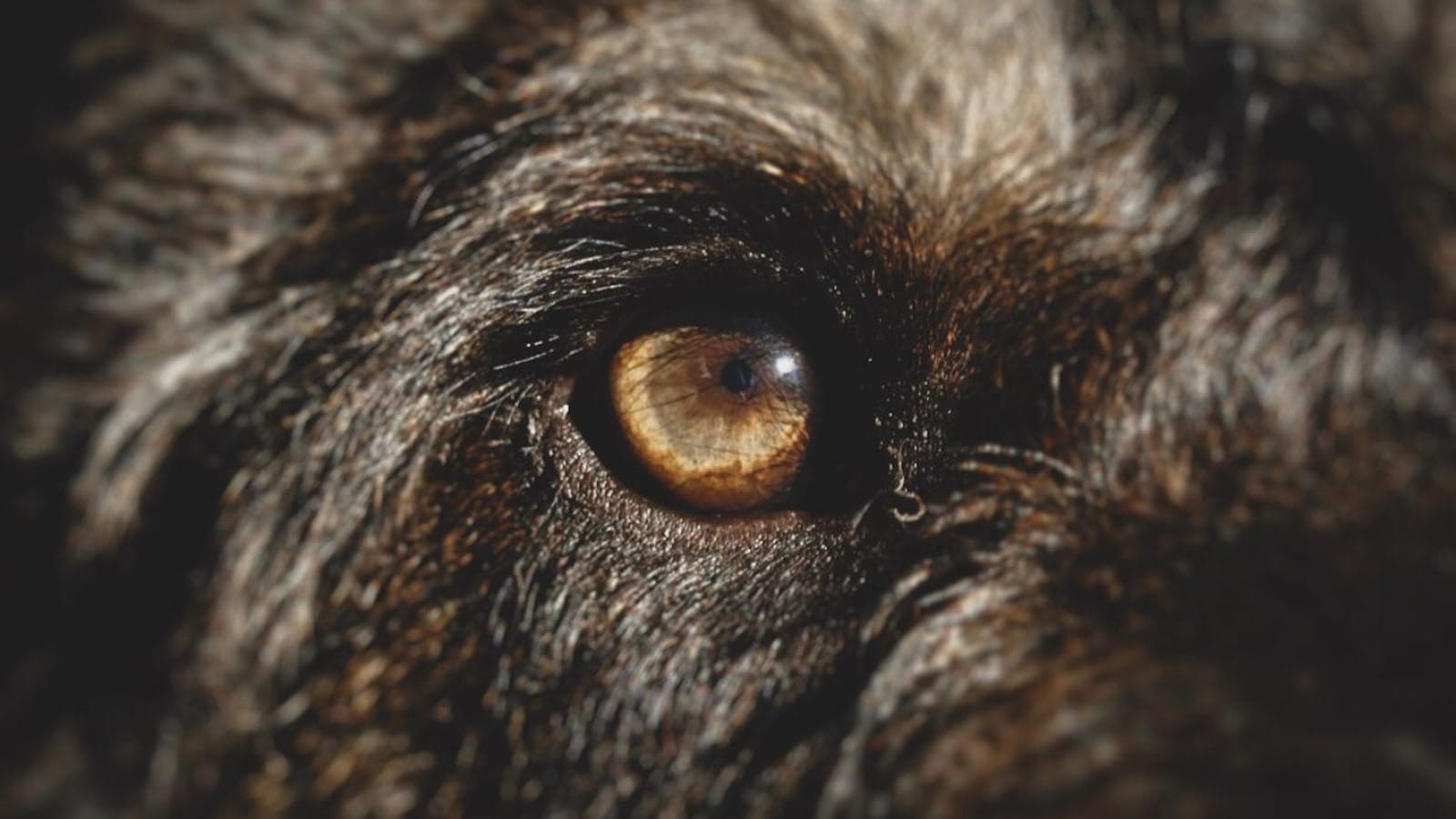
Dogs are remarkably good at hiding pain. It is an instinct inherited from ancestors for whom showing weakness was dangerous, and it means a dog can be genuinely uncomfortable long before an owner notices. By the time a dog is limping obviously or crying out, the pain has usually been there for a while.
Learning to read the quieter signals is one of the most useful things you can do for your dog, because pain that is spotted early is pain that gets treated early. This guide covers what to watch for, at home, in a dog who cannot tell you.
The short version
- Dogs rarely yelp or cry when in chronic pain. The real signs are quieter: changes in behaviour, posture and routine.
- Watch for reluctance to move, stiffness, changes in how they sit or lie, and reduced interest in normal things.
- A change in temperament, especially new grumpiness or withdrawal, is often pain, not personality.
- Panting, trembling or restlessness at rest can signal pain.
- Any cluster of these, especially in an older dog, warrants a vet visit. Pain is treatable.
Why dogs hide pain
Understanding the instinct helps you take the subtle signs seriously. In the wild, an animal that visibly showed pain or weakness was a target, so dogs evolved to mask it. Domestic dogs still carry this. A dog will often keep wagging, keep greeting you, keep trying to do what you ask, all while genuinely hurting.
This is why "he still seems happy" is not proof that a dog is pain-free, and why owners so often say, after their dog is finally treated, that they had not realised how much discomfort it had been in. The signs were there; they were just quiet.
Behavioural signs of pain
Behaviour changes are usually the earliest and most reliable signals. Look for shifts from your dog's normal:
- Reluctance to move or do things they used to enjoy: hesitating at stairs, not jumping into the car, declining a walk they would once have loved.
- Restlessness or difficulty settling, circling and re-bedding, unable to get comfortable.
- Changes in temperament. New grumpiness, flinching or growling when touched or approached, especially over a specific area. This is frequently misread as a dog "turning" or "getting cranky" when it is actually a dog protecting a sore spot.
- Withdrawal. Hiding away, seeking less company, less interest in play, family or food.
- Excessive licking of one area, particularly a joint or paw, which can be self-soothing over a painful spot.
- Changes in sleep, sleeping more during the day but restless at night.
- Reduced appetite, or eating more slowly, which can reflect pain anywhere from the mouth to the gut to the joints.
A single change might be nothing. Several appearing together, or a clear shift from how your dog used to be, is worth taking seriously.
Physical and postural signs
Alongside behaviour, the body gives clues:
- Stiffness, especially on rising after rest, easing after a few minutes of movement. A classic sign of joint pain, covered in our early signs of arthritis guide.
- A hunched or tucked posture, or a roached (arched) back, which can indicate abdominal or spinal pain.
- An altered gait or a limp. See our guide on why dogs limp.
- Sitting or lying differently, for example sitting with a leg out to the side, or shifting weight off a limb.
- Muscle loss over a particular area, as the dog uses a painful part less.
- Panting or trembling at rest, when it is not hot and the dog has not exercised. Persistent, unexplained panting is an under-recognised pain signal.
- A tense face: a furrowed brow, tight mouth, or a fixed, glazed expression.
The pain that looks like something else
Two mix-ups are worth flagging because they are so common.
Pain mistaken for ageing. So much of what gets written off as "just getting old", slowing down, sleeping more, becoming less keen, being short-tempered, is actually treatable pain. Age is not a diagnosis. If your older dog has changed, it is worth finding out why rather than assuming it is simply the years. Our senior dog health check helps you monitor this systematically.
Pain mistaken for anxiety or bad behaviour. A dog that has become reactive, grumpy, or reluctant to be handled may be sore rather than anxious or naughty. Studies of dogs referred for behaviour problems repeatedly find undiagnosed pain as a major factor. Our guide on the signs of stress in dogs covers this overlap. The rule of thumb: rule out pain before treating a behaviour change as purely behavioural.
A simple at-home check
You do not need to be an expert. Once a month, and any time you are concerned, run through this:
- Watch them rise from a rest cold, without a warm-up. Stiffness in the first minute is meaningful.
- Watch them walk away and towards you on a firm surface. Look for evenness, head-bobbing, or favouring a leg.
- Run your hands gently over the body, watching the face for a flinch, tension or a turn of the head towards your hand.
- Note the routine. Are they doing the normal things, eating, greeting, playing, settling, as they always have?
- Keep a short written log. Owners forget how a dog was three months ago; a note makes real change visible.
Bring anything you notice to your vet. A specific description, which leg, when, what triggers it, what has changed, makes the consultation far more useful.
What to do if you suspect pain
- Book a vet appointment. Pain is treatable, and modern dog-safe pain relief is very effective. The earlier the cause is found, the better.
- Do not give human painkillers. Ibuprofen, aspirin and paracetamol can be toxic, even fatal, to dogs.
- Keep them comfortable in the meantime: a supportive warm bed, easy access to the essentials, and no pressure to do more than they want.
- If the cause turns out to be joint-related, our guide on managing arthritis covers the whole plan, and joint support such as Tailkind's Joint Care Mobility Chews can sit alongside vet-led care.
Trust your instinct. Nobody knows your dog like you do, and "something is not right" is a perfectly good reason to get them checked, even if you cannot put your finger on why.
Frequently asked questions
Do dogs cry or whimper when they are in pain?
Sometimes, but far less often than owners expect, especially with chronic pain. Vocalising tends to accompany sudden, acute pain. Long-standing pain, such as arthritis, usually shows through quieter signs: stiffness, reluctance to move, changes in temperament or routine, and restlessness. A dog that is not crying out can still be in significant discomfort, which is why the subtle behavioural signs matter so much.
Can a dog be in pain and still wag its tail and eat?
Yes. Dogs are instinctively good at masking pain and often keep greeting you, wagging and eating while genuinely uncomfortable. "He still seems happy" is not proof a dog is pain-free. This is exactly why owners are so often surprised, once their dog is treated, at how much brighter it becomes. Look at the fuller picture of behaviour and movement, not just the tail and the food bowl.
How can I tell if my old dog is in pain or just getting old?
Often you cannot tell them apart at home, and that is the point: much of what looks like normal ageing, slowing down, sleeping more, becoming grumpy, is actually treatable pain. Age itself is not a diagnosis. If your older dog has changed, have a vet check for a treatable cause rather than assuming it is simply the years. Many owners are amazed at the difference appropriate treatment makes.
What should I do if I think my dog is in pain?
Book a vet appointment, and do not give human painkillers, which can be toxic to dogs. Note the specifics, which leg or area, when it happens, what has changed, to help the diagnosis. In the meantime keep your dog comfortable with a supportive bed and no pressure to overdo things. Pain is very treatable, and finding the cause early gives the best outcome.
Topics